What Is Reverse Cycle Air Conditioning? A Plain English Guide for Australian Homes
I've lost count of how many times I've stood in someone's hallway, pointed at a wall unit, and had them ask -so does this thing actually heat the house too, or is that just marketing? It's a fair question. Reverse cycle air conditioning gets thrown around as a buzzword, but most homeowners have never had anyone explain what's actually happening inside the box on the wall.
So let's fix that, no jargon for the sake of sounding clever, and no glossing over the bits that matter when you're deciding whether to spend a few thousand dollars on a system for your home.
The Short Answer, What Reverse Cycle Air Conditioning Actually Is
Reverse cycle air conditioning is a single system that both cools and heats a room by moving heat energy from one place to another, rather than generating heat the way a gas heater or an electric radiator does. In summer it pulls heat out of your home and dumps it outside. In winter it does the reverse, pulling heat out of the outside air, even when it's cold, and pumping it inside. That's where the name comes from, the refrigeration cycle literally reverses direction depending on which mode you select.
It's the same basic technology as a fridge, just working in both directions.
This is different from what people picture when they hear "air conditioner." Plenty of older or cheaper units are cooling only, they'll chill a room down but have no heating function at all. Reverse cycle systems do both jobs from the same unit, which is a big part of why they've become the default choice for Australian homes.
How Does a Reverse Cycle Air Conditioner Work?
Here's the refrigeration cycle without the sleep-inducing detail.
Inside a reverse cycle system there's a refrigerant, a chemical that changes between liquid and gas very easily at low temperatures. It runs through a loop connecting an indoor unit and an outdoor unit, passing through a compressor, a condenser coil, an expansion valve, and an evaporator coil.
In cooling mode, the indoor coil absorbs heat from the air in your room as the refrigerant evaporates into gas. That gas gets pumped outside by the compressor, releases its heat to the outdoor air, and condenses back into a liquid before returning inside to repeat the cycle. Your room gets cooler because heat is literally being carried out of it and dumped outdoors.
In heating mode, a component called a reversing valve flips the flow. Now the outdoor coil absorbs heat, pulling warmth out of the outside air, even on a cold Geelong morning, and the indoor coil releases it into your room. This is the part that trips people up: air, even at 2 or 3 degrees, still holds usable heat energy, and a reverse cycle system is built to extract it. It's not manufacturing heat the way a bar heater does, it's relocating heat that's already there.
That distinction is why these systems are so efficient. For every unit of electricity in, you typically get three to four units of heating or cooling output, because the electricity only powers the compressor and fans rather than creating the thermal energy itself. A standard electric heater, by contrast, converts electricity to heat at roughly a one-to-one ratio.
Reverse Cycle, Split System, Ducted and Heat Pump, What the Names Actually Mean
HVAC jargon gets confusing quickly. Homeowners often ask me if a split system is different from a heat pump or a reverse cycle unit. Here is how these terms fit together:
| Term | What It Refers To | How It Relate |
|---|---|---|
| Heat Pump | The core thermal technology | The overarching engineering principle of moving heat from one location to another. |
| Reverse Cycle | The functional capability | Indicates the system can reverse its heat pump cycle to provide both heating AND cooling. |
| Split System | The physical hardware design | Refers to a system split into two parts: one outdoor compressor and one indoor head unit mounted on a wall. Most split systems sold in Australia today are reverse cycle, but not every split system historically was. |
| Ducted System | The distribution network | This describes how conditioned air is distributed, through ductwork in the ceiling or floor to multiple rooms, rather than one wall unit serving a single room. A ducted system can be reverse cycle or cooling only, though reverse cycle ducted is by far the more common installation now. |
Trade Tip: Almost all modern wall-mounted split systems sold in Australia today are reverse cycle heat pumps.
How to Use Reverse Cycle Air Conditioning Properly
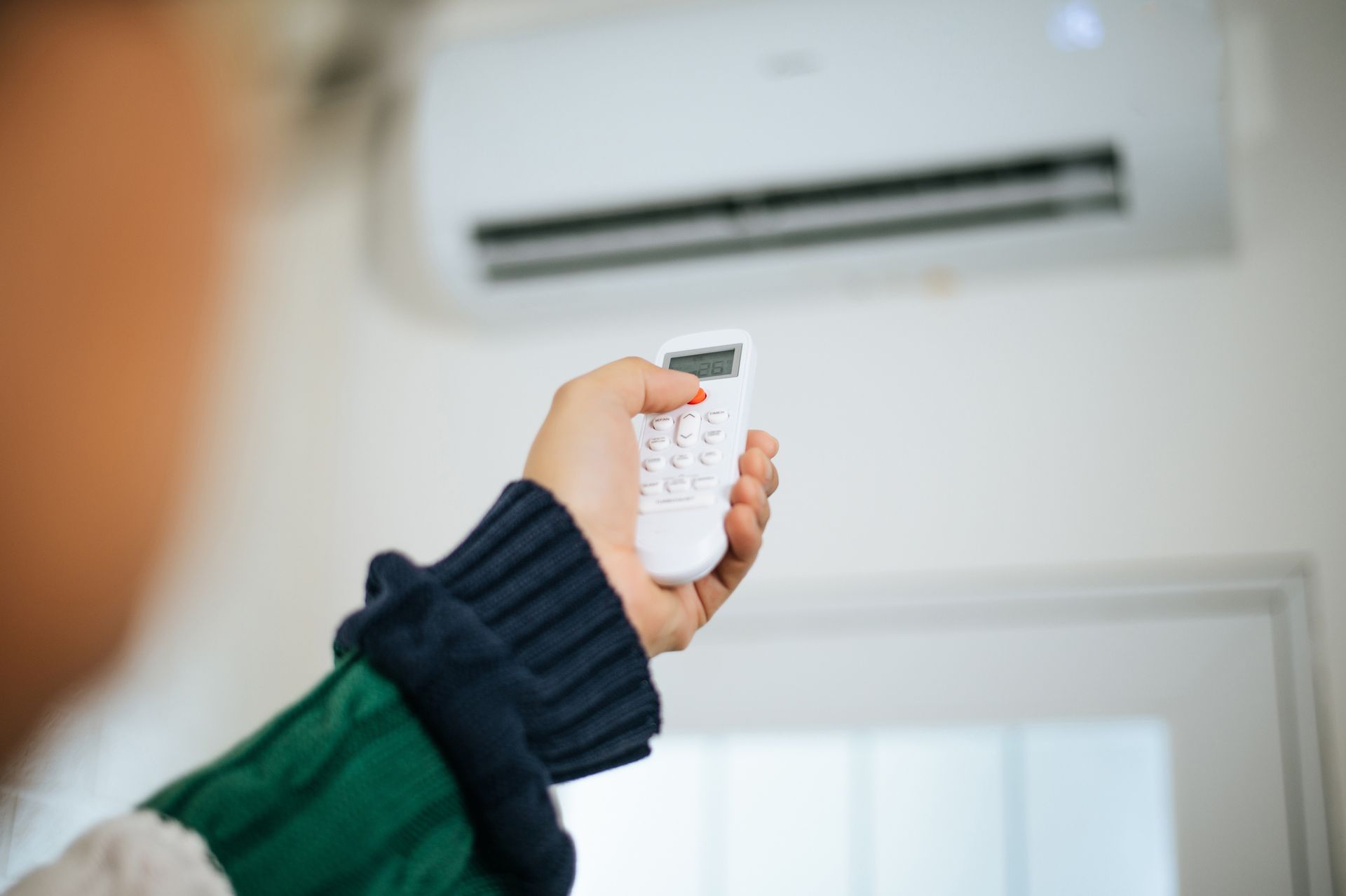
Most units I've seen running inefficiently aren't broken, they're just used badly. A few habits make a real difference to comfort and your bill: set a realistic target temperature[RM1.1] rather than chasing extremes, around 18 to 20 degrees for heating, 24 to 26 for cooling, since every extra degree away from the outdoor temperature adds roughly 10 percent to running cost. Use the mode selector deliberately, "fan only" doesn't heat or cool at all, it just circulates air. Close doors to unused rooms, keep external doors and windows shut while it's running, and use the timer rather than leaving the unit going all day, setting it to start half an hour before you wake up or get home. Clean the filters regularly, more on that further down, and avoid switching rapidly between heating and cooling, give the system a chance to stabilise instead.
Does Reverse Cycle Work in Cold Weather? The Defrost Cycle Explained
This is probably the single most common concern I hear, usually from someone who's been told by a well-meaning neighbour that "reverse cycle stops working once it gets properly cold." It's not quite true, but there's a real mechanism behind the myth.
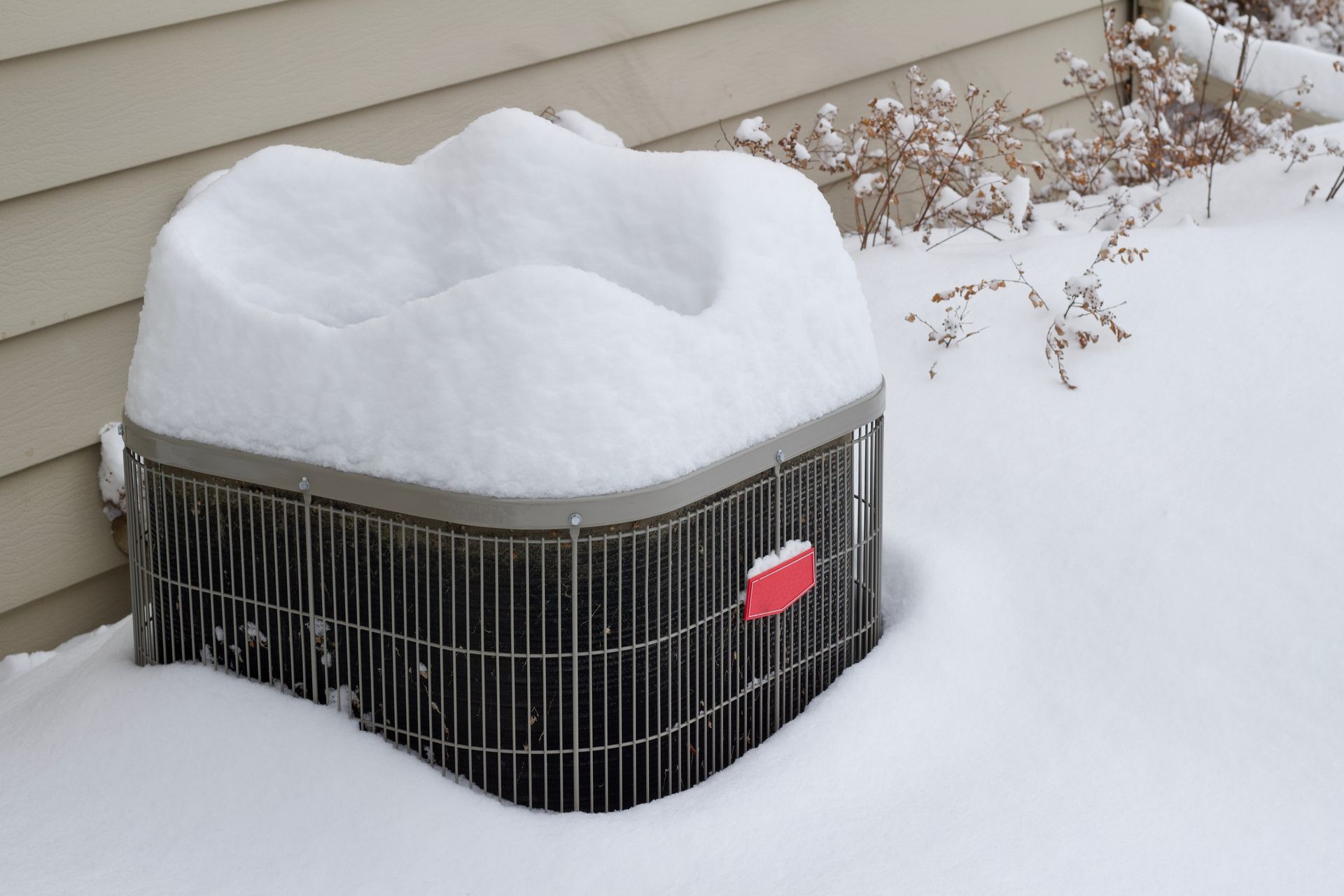
When outdoor temperatures drop, particularly between 0 and 7 degrees with high humidity, moisture in the air can freeze onto the outdoor coil as frost. If ice builds up, it reduces the system's ability to absorb heat, so the unit periodically pauses heating and runs a short defrost cycle. You might notice the outdoor fan stop and the indoor unit blowing cool or neutral air for a few minutes. That's normal operation, not a fault.
Modern systems are engineered to handle this well, and quality units continue heating effectively down to around minus 5 to minus 15 degrees depending on the model, which covers the vast majority of Australian winter conditions, including a cold Geelong or Ballarat morning. Performance genuinely drops off only in extreme sustained sub-zero climates, a small slice of the country. For most of us, the defrost cycle is a brief, occasional pause, not a sign the system can't cope with cold.
What Reverse Cycle Air Conditioning Costs to Run
Reverse cycle systems are remarkably cheap to run due to their high Coefficient of Performance (COP). A standard electric bar heater has a COP of 1.0 (1 kW of electricity = 1 kW of heat). A modern reverse cycle unit has a COP of 3.5 to 5.0+ (1 kW of electricity = 3.5 kW to 5 kW of heat).
Estimated Hourly & Seasonal Running Costs (Based on average AU 30c/kWh electricity tariff)
• Small Split System (2.5kW - Bedroom): $0.10 to $0.25 per hour
• Large Split System (7.1kW - Open Plan Living): $0.35 to $0.70 per hour
• Whole-House Ducted System (12.5kW - Zoned): $1.10 to $2.20 per hour
Compared to portable oil column heaters or unflued gas heaters, a reverse cycle system can cut your seasonal heating bills by 50% to 70%.
That advantage narrows in genuinely extreme cold, where the system works harder and defrost cycles become more frequent, but for a typical Victorian winter it holds up well. Your actual bill also comes down to habits, a system left running all day at an aggressive temperature costs noticeably more than the same unit used with a timer, sensible target temperatures, and doors closed.
Reverse Cycle vs Evaporative Cooling, Which Suits Your Climate
Selecting the right system comes down to your local climate and household priorities.
| Feature | Reverse Cycle Air Conditioning | Evaporative Cooling |
|---|---|---|
| Heating Capability | Yes (Full dual-function heating & cooling) | No (Cooling only) |
| Humidity Control | Excellent (Dehumidifies air in summer) | Poor (Adds moisture to air) |
| Effectiveness in Humidity | Works perfectly in humid climates | It struggles in humid conditions, because the cooling effect relies on moisture evaporating quickly, which doesn't happen well when the air is already damp, a real limitation for coastal areas like Geelong on a muggy January day. |
| Window/Door Status | Windows and doors must be closed | Windows and doors must remain open |
| Water Usage | Zero water consumed | Consumes significant water |
| Running Cost (Cooling) | Low to Moderate | Extremely Low |
For most of southern Victoria's mixed climate, with humid summer stretches and genuinely cold winters, reverse cycle tends to be the more practical year-round investment, because one system replaces the need for two.
Types of Reverse Cycle Systems and What Size You Need
1. Single-Split Systems- Ideal for cooling or heating one specific room or open-plan area. Consists of one outdoor unit connected to one wall unit.
2. Multi-Split Systems- One powerful outdoor compressor connected to 2 to 5 indoor units throughout the house. Great for homes with limited outdoor mounting space.
3. Ducted Systems- The ultimate whole-home solution. A central compressor powers hidden ductwork in your roof cavity, feeding air through discreet ceiling grilles.
Sizing Guide Matrix
Installing an undersized unit forces the compressor to run continuously at maximum power, destroying efficiency. An oversized unit causes "short-cycling," failing to control humidity properly.
• Small Bedroom (up to 15 m²): 2.0 kW - 2.5 kW unit
• Medium Living Room (20 to 40 m²): 3.5 kW - 5.0 kW unit
• Large Open-Plan Area (40 to 65 m²): 7.1 kW - 8.0 kW unit
• Whole House (150 m²+): 10.0 kW - 16.0 kW Ducted System
What Reverse Cycle Air Conditioning Costs to Buy and Install
Here are realistic Australian market price ranges (equipment + standard professional installation by a licensed ARC technician):
• Single Split System (Small 2.5kW): $1,500 – $2,400 fully installed
• Single Split System (Large 7.1kW): $2,600 – $3,800 fully installed
• Multi-Split System (3 Zones): $4,500 – $7,500 fully installed
• Ducted Reverse Cycle (Whole Home): $9,000 – $16,000+ fully installed
Ducted reverse cycle for a full home is the biggest jump, typically driven by house size, number of zones, and whether it's a retrofit or new construction. Difficult roof access, long pipe runs, or extra electrical work can move any of these figures, so a couple of like-for-like quotes from licensed installers is the only reliable way to know what your home will cost.
Pros and Cons of Reverse Cycle Air Conditioning
Pros: one system for both heating and cooling, strong energy efficiency since it moves heat rather than generating it, precise thermostat control, reasonably quick to bring a room to temperature, zoned and ducted options that scale to whole-home comfort, and filtration on most modern units that helps with dust and some allergens.
Cons: higher upfront cost than a basic heater or a single evaporative unit, efficiency can drop in extreme sustained cold, periodic professional servicing is needed to stay efficient and hold onto warranty conditions, indoor units and ducting take up some space, and running costs still rise if it's oversized, undersized, or used carelessly.
6 Reverse Cycle Myths That Cost You Money
Myth 1: It's only an air conditioner, it doesn't really heat properly. Reverse cycle heating is one of the most efficient home heating methods available, often cheaper to run than gas or electric resistance heating.
Myth 2: Bigger is always better. An oversized unit doesn't heat or cool faster in any meaningful way and typically costs more to buy and run due to short-cycling.
Myth 3: It stops working once it gets cold outside. Quality systems keep heating effectively well below zero, the defrost cycle is a brief pause, not a shutdown.
Myth 4: Leaving it running all day is cheaper than switching it on and off. For most homes this isn't true, a timer running it only when needed is generally cheaper than continuous operation.
Myth 5: Filters only need cleaning once a year. Dusty or pet-heavy households often need filter cleaning every four to six weeks.
Myth 6: All reverse cycle systems are basically the same. Efficiency ratings, sizing accuracy, and installation quality vary enormously, two units at the same price can have very different real-world running costs.
Keeping Your System Efficient, Filters, Servicing and Common Faults
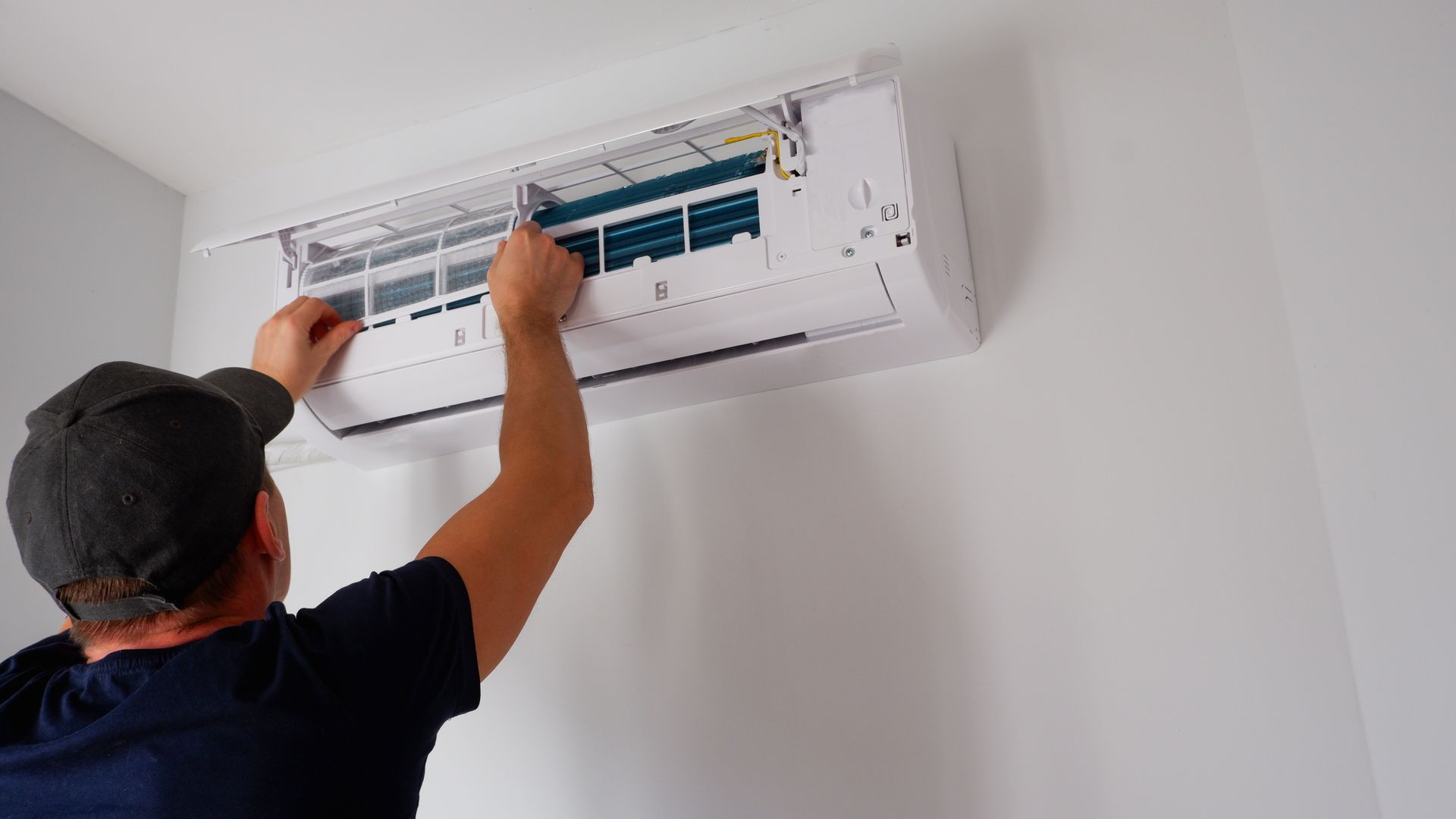
Filter cleaning is the single easiest thing homeowners neglect. A blocked filter restricts airflow and forces the compressor to work harder for the same result, and most manufacturers recommend cleaning indoor filters every four to eight weeks, more often during heavy use seasons.
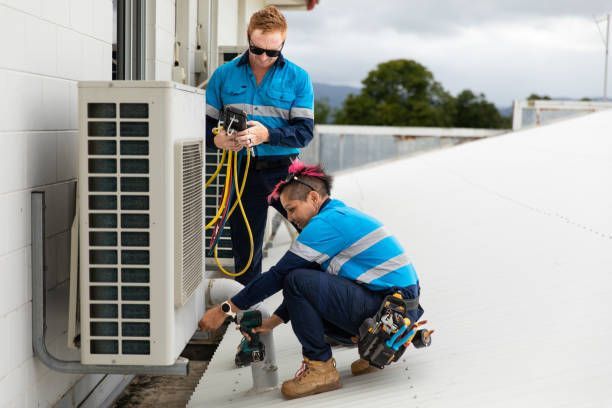
Professional servicing, generally annual, covers refrigerant levels, coil cleaning on the outdoor unit, checking electrical connections, and confirming the drainage system isn't blocked, which otherwise causes water leaks indoors.
A few faults worth knowing, so you call someone rather than panic: room-temperature air in heat mode is very often mid-defrost, not a fault, though if it persists beyond 10 to 15 minutes it's worth investigating. Water dripping from the indoor unit usually points to a blocked condensate drain. Ice outside a normal defrost cycle, or a system that's suddenly noisier than usual, are both good reasons to get a licensed technician[RM2.1] to look before a small issue becomes an expensive one.
Frequently Asked Questions
What does reverse cycle mean on an air conditioner?
It means the unit can reverse the direction of its refrigeration cycle, letting it both cool a room in summer and heat it in winter from the same system.
Is reverse cycle air conditioning the same as a split system?
Not exactly. Reverse cycle describes the heating and cooling function, split system describes the physical setup of separate indoor and outdoor units. Most modern split systems are reverse cycle, but the terms aren't strictly interchangeable.
Is a reverse cycle air conditioner a heat pump?
Yes, in engineering terms it's a type of heat pump, since it moves heat rather than generating it. In Australia, "heat pump" is used more for hot water systems, while "reverse cycle" is the everyday term for space heating and cooling.
How does a reverse cycle air conditioner work in winter?
A reversing valve flips the refrigerant flow so the outdoor coil absorbs heat from the outside air, even when it's cold, and the indoor coil releases that heat into your room.
Does reverse cycle air conditioning work in very cold weather?
Yes, quality systems keep heating effectively down to around minus 5 to minus 15 degrees depending on the model. In frosty conditions the unit runs periodic defrost cycles, which is normal, not a malfunction.
Is reverse cycle air conditioning cheaper than gas heating?
Generally yes, or at least comparable, because it moves existing heat rather than burning fuel to create it, though the exact comparison depends on your electricity and gas rates.
How much does reverse cycle air conditioning cost to run per hour?
A typical mid-sized split system costs roughly 15 to 40 cents an hour on efficient settings, depending on unit size, target temperature, and insulation.
What temperature should I set reverse cycle in winter?
Around 18 to 20 degrees is the commonly recommended range, balancing comfort with running costs.
Why is my reverse cycle air conditioner blowing cold air in heat mode?
It's most likely running a short defrost cycle to clear ice from the outdoor coil. If cold air continues beyond 10 to 15 minutes, have a technician check it.
Can reverse cycle air conditioning heat a whole house?
Yes, with a ducted reverse cycle system sized and zoned correctly for the home. A single split system will only effectively heat the room it's installed in.
Is reverse cycle better than evaporative cooling?
Depends on climate. Evaporative suits hot, dry conditions and costs less to run there, but struggles in humidity and can't heat. Reverse cycle handles both humid and dry conditions and heats too, making it the more versatile year-round option.
Do reverse cycle air conditioners use a lot of electricity?
Generally no, they're among the more efficient heating and cooling options because they move heat rather than generate it, typically producing three to four units of output per unit of electricity used.
What size reverse cycle air conditioner do I need?
Depends on room size, insulation, ceiling height and window area. As a rough guide, a small bedroom needs around 2.5 to 3.5kW and a larger living area around 5 to 7kW, but a proper heat load calculation gives an accurate figure.
How long does a reverse cycle air conditioner last?
With regular filter cleaning and annual servicing, most quality systems last around 12 to 15 years before efficiency drops enough to justify replacement.
Written and Checked by: Andy Wright - Sales and Installation Manager, Climatic Geelong, and have more than 25 years of experience