Heat Pump Hot Water in Geelong: 7 Things to Know Before You Upgrade
Heat Pump Hot Water in Geelong: 7 Things to Know Before You Upgrade
Quick answer: If you are considering heat pump hot water in Geelong, look at more than the purchase price. Check what Victoria's gas hot water rules mean from 1 March 2027, whether the system suits Geelong's climate, the right tank size for your household, available rebates, installation location and noise, and how the system could work with rooftop solar.
Energy Victoria estimates that hot water accounts for around 18% of household energy use in Victoria, so the choice of system matters for both running costs and efficiency.
Heat pump hot water systems are attracting growing attention because they use electricity differently from conventional electric storage systems. Rather than generating all of their heat directly, they transfer heat from the surrounding air into the water.
For Geelong households considering an upgrade, here are seven things worth understanding before choosing a system.
1. What changes in Victoria from 1 March 2027?
From 1 March 2027, when a gas hot water system in an existing Victorian home reaches the end of its life and cannot be repaired, it will generally need to be replaced with an electric alternative.
This does not mean homeowners need to remove a working gas hot water system on 1 March 2027. Existing systems can continue to be used, serviced and repaired. The requirement applies when a gas hot water appliance needs replacing, subject to applicable exemptions.
Efficient electric replacement options include:
- heat pump hot water systems
- electric-boosted solar hot water systems.
For homeowners with an older gas system, this makes forward planning useful. A sudden breakdown can leave little time to compare systems, assess installation locations, understand rebates or determine the right tank size.
Because regulations and exemptions can change, check the latest guidance from Energy Victoria before replacing a system.
2. How does heat pump hot water work, and will it suit Geelong's climate?
A heat pump takes heat from the surrounding air and transfers it into the water stored in a tank.
The principle is similar to the refrigeration cycle used by reverse-cycle air conditioning. In simple terms, the system:
- draws heat from the surrounding air
- uses a refrigerant and compressor to raise the temperature
- transfers that heat into the water
- stores the heated water until your household needs it.
Because the system moves heat rather than generating all of it through a conventional electric element, Victorian Government guidance says heat pump systems can use around 60% to 75% less electricity than conventional electric hot water systems.
Do heat pumps work during a Geelong winter?
Yes, but cold-weather performance varies between models.
In colder weather, some systems may take longer to reheat the tank or rely more heavily on an electric booster. Other models are designed to operate effectively at lower outdoor temperatures.
When comparing systems, ask about:
- operating temperature range
- frost protection
- reheating time
- whether an electric booster is used.
The better question is not simply- Will a heat pump work in winter?
It is: Is this particular heat pump suitable for Geelong's climate and my household's hot water needs?
3. What size heat pump hot water system does your household need?
The right size depends on both how much hot water your household uses and how quickly the system can reheat the tank.
A system that is too small may leave the household short of hot water during periods of high demand. One that is unnecessarily large may cost more to buy and run than required.
Energy Victoria's buyer guide provides these tank sizes as a starting point:
| Home size | Suggested tank size |
|---|---|
| 1–2 bedrooms | 150–225 litres |
| 3 bedrooms | 225–300 litres |
| 4+ bedrooms | More than 300 litres |
These are guides, not a substitute for proper sizing. Your actual demand also depends on:
- number of people in the household
- shower duration and frequency
- whether several people shower one after another
- baths or spa baths
- the heat pump's recovery rate
- when the system is programmed to operate.
Two households with the same number of bedrooms can use very different amounts of hot water, which is why both tank capacity and reheating performance matter.
4. What does a heat pump cost to buy and run?
Heat pump hot water systems generally cost more upfront than some conventional systems, but their lower electricity use can reduce ongoing running costs.
According to CHOICE, a heat pump typically costs about $2,200 to $6,900 installed before rebates, depending on size, brand and installation. RACV gives a typical range of around $3,500 to $6,000.
The final price depends on:
- brand, model and tank capacity
- integrated or split-system design
- electrical and plumbing work required
- removal of the existing system
- installation location
- available rebates and discounts.
Running costs are where the difference can become more noticeable.
Sustainability Victoria modelled the following indicative annual running costs for a typical Melbourne household of two to three people, as reported by CHOICE:
| System | Typical annual running cost |
|---|---|
| Heat pump – off-peak tariff | $190–$230 |
| Heat pump – peak tariff | $245–$300 |
| Gas instantaneous | $305–$400 |
Solar Victoria says replacing gas hot water with a heat pump can save around $400 a year in some circumstances.
Actual savings depend on your usage, electricity tariff, the system being replaced and whether you have rooftop solar, so treat these figures as a guide rather than a guarantee.
5. What heat pump rebates and discounts are available in Victoria?
Eligible Victorian households may be able to reduce the upfront cost through more than one incentive.
As of November 2026, the main programs include:
Solar Victoria hot water rebate
Eligible households can receive:
- up to $1,000 for an eligible hot water product
- up to $1,400 for an eligible locally made product.
From 1 July 2026, the combined household income eligibility cap is $150,000 per year.
Other requirements apply to the property, the existing system and the product being installed. Rebates are released in limited numbers, so check availability with Solar Victoria before committing to a purchase.
Victorian Energy Upgrades
Indicative Victorian Energy Upgrades discounts currently include:
- up to approximately $560 when replacing an inefficient gas hot water system
- up to approximately $630 when replacing an inefficient electric hot water system.
Actual amounts can vary, and heat pumps installed under the program must carry at least a five-year warranty.
Small-scale Technology Certificates
Some eligible heat pump systems can also attract federal Small-scale Technology Certificates, or STCs.
The value varies according to the product, location and installation date and is usually incorporated into the quote by the installer or provider.
Can the incentives be combined?
Potentially, yes.
Depending on the property, product and household eligibility, Solar Victoria rebates, VEU discounts and STCs may all contribute to reducing the upfront cost.
Do not assume every household or heat pump qualifies.
Always confirm:
- current eligibility requirements
- whether the exact model is approved
- how each incentive appears on the quote
- what amount you will actually pay after all discounts.
Rebate amounts, eligibility rules and approved product lists can change, so check the latest Victorian Government information before purchasing.
6. Where should a heat pump hot water system be installed?
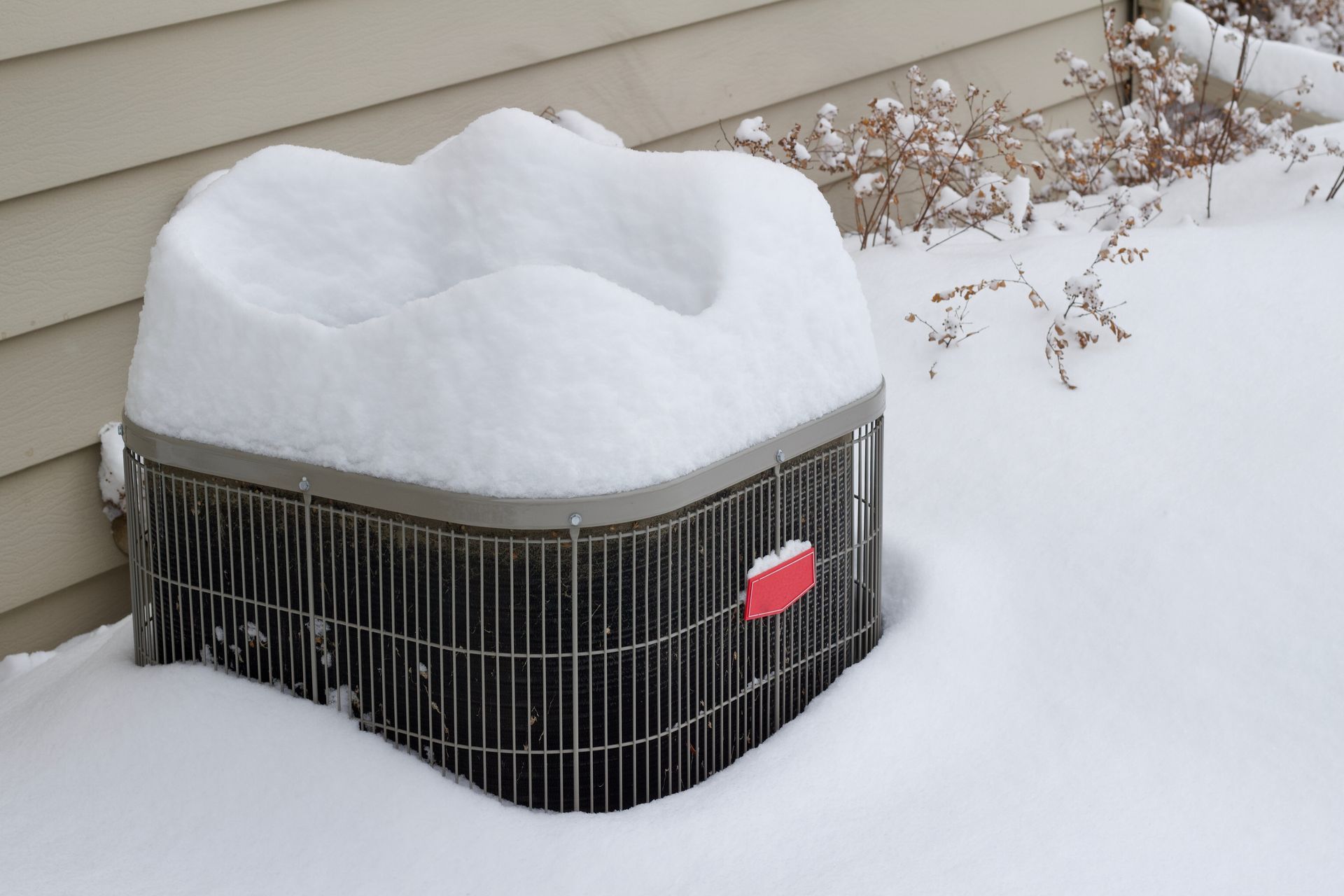
A heat pump needs adequate airflow and should be positioned with noise, servicing access and pipe lengths in mind.
Because the unit extracts heat from the surrounding air, location matters as much as whether the tank physically fits.
An installer should consider:
- manufacturer clearance requirements
- airflow and ventilation
- access for future servicing
- drainage
- distance from bedrooms and neighbours
- length of hot water pipe runs to bathrooms and the kitchen.
Keeping the system reasonably close to the main hot-water areas can also help reduce heat loss through long pipe runs.
Are heat pump hot water systems noisy?
They make some operating noise because the unit contains a compressor and fan.
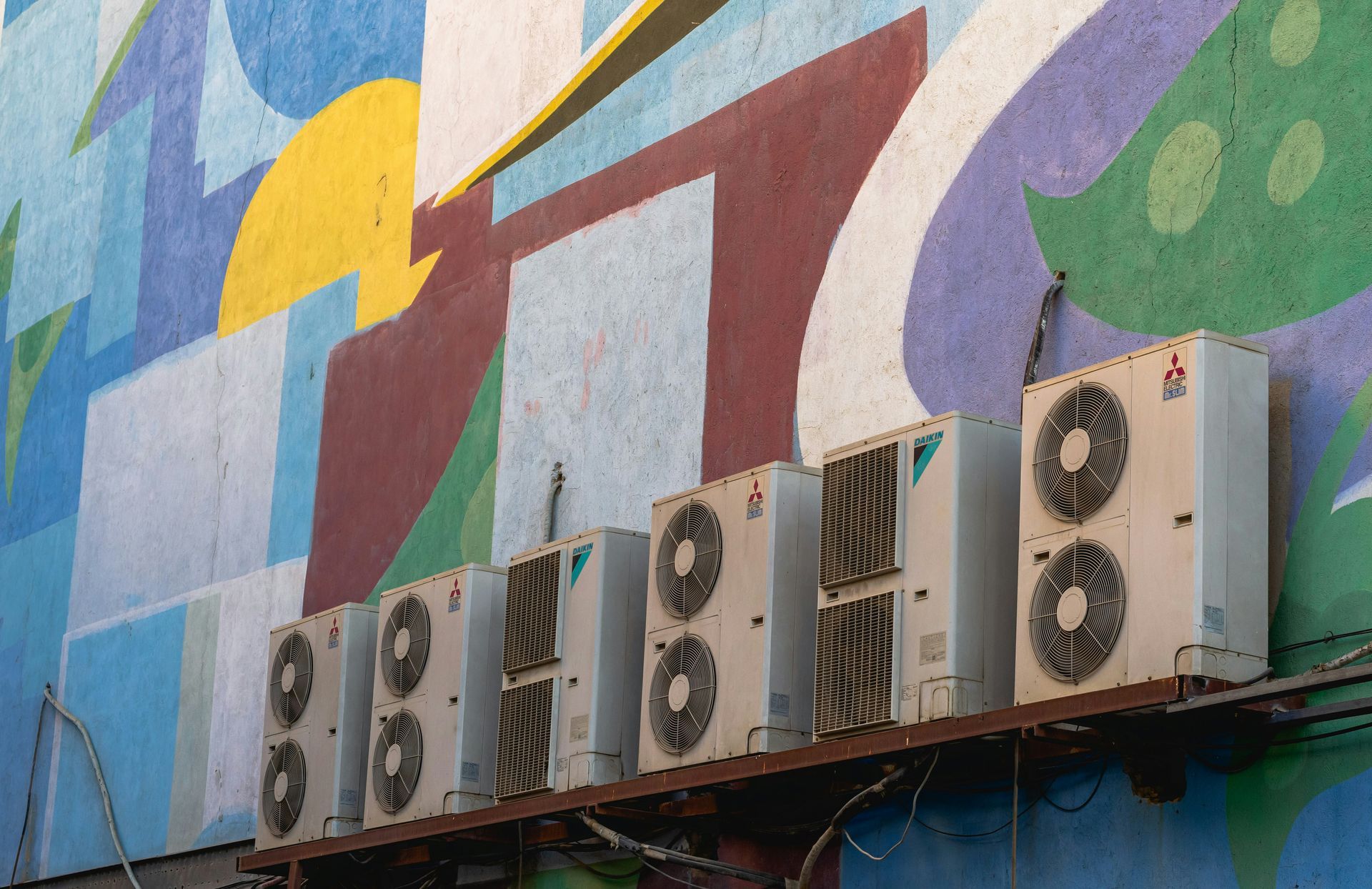
Energy Victoria describes the noise as comparable to an air conditioner, although sound levels vary between models.
Avoid placing the unit directly outside a bedroom or beside a neighbour's bedroom window where another suitable position is available and ask for the manufacturer's published sound rating if noise matters at your property.
For coastal properties around Geelong, the Bellarine Peninsula and Surf Coast, location matters for another reason. Victorian building and plumbing guidance advise care when installing heat pump water heaters in high-salt or corrosive environments.
If you live close to the coast, ask your installer whether local conditions may affect the proposed location, product suitability or warranty requirements.
7. Can rooftop solar make heat pump hot water cheaper to run?
Yes. A programmable heat pump can use electricity from rooftop solar to heat water during the day.
You do not need solar panels to run a heat pump.
However, households with rooftop solar may be able to schedule the system to heat water while the panels are generating electricity.
Depending on the system and tariff, a heat pump can be scheduled to operate:
- when rooftop solar is generating
- when electricity prices are lower under a suitable tariff.
Heat pumps may also operate more efficiently when the surrounding air is warmer, which can make daytime operation suitable for some households.
If you plan to use daytime solar, consider:
- whether the heat pump has a programmable timer or solar/PV functionality
- how much excess solar your household typically produces
- your electricity tariff
- the tank capacity needed between heating periods.
A larger tank can sometimes help when heating is limited to part of the day, but system size should still reflect household demand rather than simply choosing the largest available option.
How should you choose a heat pump and installer?
Start with your household's requirements, then compare the system, warranty, installation and final price — not just the rebate.
Before accepting a quote, ask:
- Is the exact model eligible for the rebate or discount being quoted?
- What tank size is recommended, and why?
- How quickly does it reheat water?
- How does it perform in cold weather?
- Does it use an electric booster?
- What is the manufacturer's sound rating?
- Where will the heat pump and tank be positioned?
- What does the warranty cover?
- Does it include a timer or solar functionality?
- Who completes the plumbing and electrical work?
- Who removes the old system?
- Are all rebates and discounts itemised in the quote?
For a Solar Victoria rebate, the system must be on the current eligible product list and installed in accordance with program requirements.
The installation should also be completed by appropriately licensed tradespeople for the work involved.
Heat Pump Hot Water in Geelong
Climatic supplies and installs Panasonic heat pump hot water systems for households across Geelong and surrounding areas.
The available range includes heat pump hot water options in different configurations and capacities, including split CO₂ systems and integrated designs.
The most suitable option depends on factors such as:
- household hot water demand
- tank capacity
- available installation space
- reheating requirements
- installation location
- rooftop solar availability.
Final pricing can vary depending on the selected system, plumbing and electrical requirements, the existing hot water system and rebate eligibility.
For product specifications and current options, visit Climatic's Heat Pump Hot Water Systems in Geelong page.
Frequently Asked Questions
Can renters install a heat pump hot water system?
Renters should not arrange replacement of a property's hot water system without the rental provider's involvement and consent.
From 1 March 2027, when an existing hot water system in a Victorian rental property permanently fails and cannot be repaired, the rental provider must generally replace it with an energy-efficient electric system, such as a heat pump or electric-boosted solar hot water system, subject to applicable exemptions.
Rental providers should check the latest Consumer Affairs Victoria requirements before replacing a system.
Beyond income, what else affects eligibility for the Solar Victoria rebate?
Other eligibility requirements apply in addition to the household income limit.
These include conditions relating to the property, the age and type of system being replaced and whether the household has previously received certain Solar Homes rebates.
The new system must also be on Solar Victoria's current eligible product list. Check the complete eligibility criteria before signing a quote.
What is the difference between a split and an integrated heat pump?
An integrated heat pump combines the heat pump components and hot water tank in one unit.
A split system separates the heat pump unit from the storage tank. The best configuration depends on factors such as:
- available space
- installation location
- household demand
- tank capacity
- cold-weather performance of the specific model.
Neither configuration is automatically better for every home, so compare the specifications of the actual systems being considered.
What is a CO₂ heat pump?
A CO₂ heat pump uses carbon dioxide, also known as R744, as its refrigerant instead of some of the synthetic refrigerants used in other heat pump systems.
Some CO₂ heat pump systems are designed for strong cold-weather performance, but operating temperatures, recovery performance and system characteristics vary between models.
Check the specifications of the exact product you are considering rather than assuming all CO₂ systems perform the same way.
Post Reviewed By: Paul Brooks, General Manage, Climatic Airconditioning
Last Reviewed: 26/11/2026